
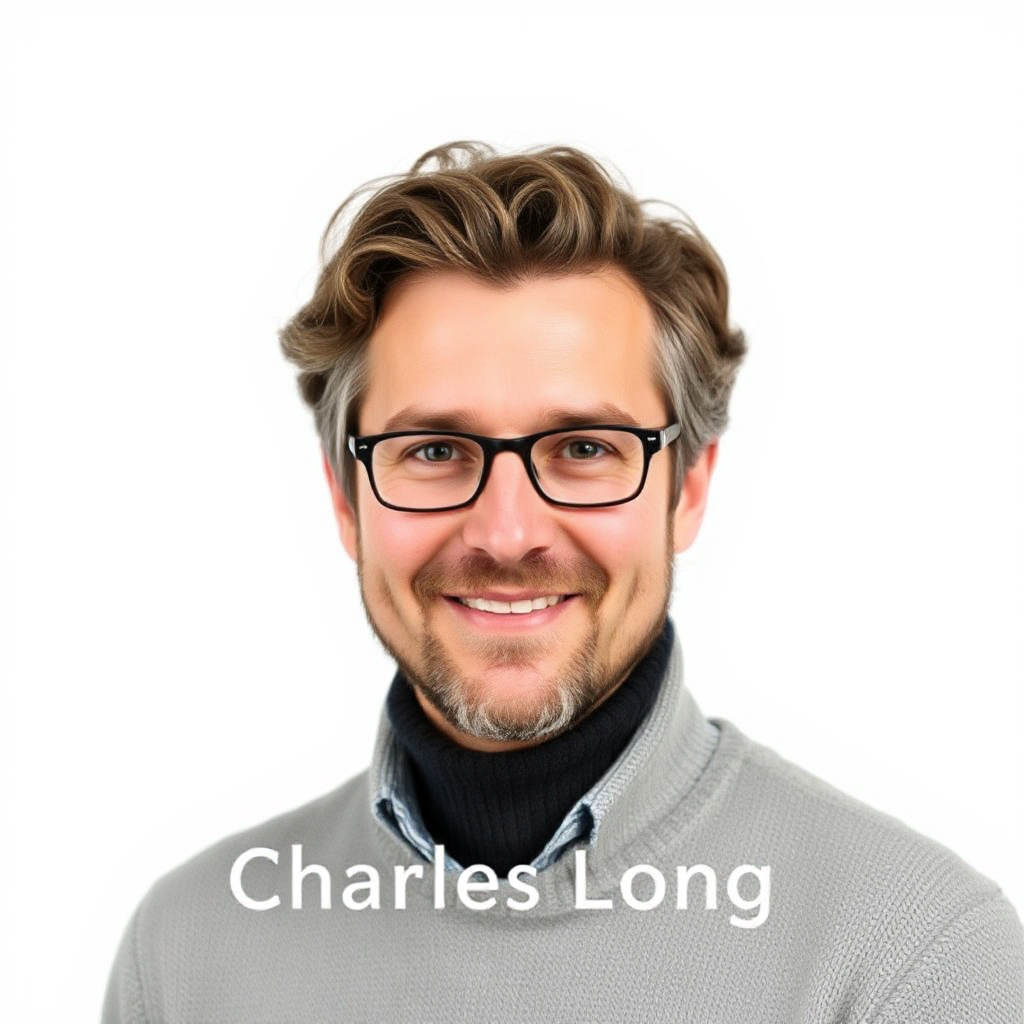

In the span of ten years, Zhang Xuefeng became one of the most recognisable names among China's youth.
Boasting over 26 million fans on the domestic platform Douyin, the 41-year-old man was a leading figure in the influencer sphere - while simultaneously forging his reputation in a particular domain. By giving counsel to young people and their parents on university applications and choice of majors, he worked to guide them obtain what many view as an all-important goal: better job prospects.
Questions about job readiness are complicated in the Chinese context, and Zhang was renowned for his extremely pragmatic approach. It also rendered him a extremely divisive individual. Zhang once proclaimed that "any major is better than journalism" and referred to arts degrees as a "support industry that serves other people".
Local media have often linked his rise to a widespread unease in Chinese society, propelled by a cooling economic engine and a stagnant job market for young people. Yet Zhang was a polarising figure.
Supporters say he altered the trajectory of their futures by supplying knowledge that ordinary families without resources would otherwise struggle to access. Detractors, however, contend his advice was excessively practical and in the end detrimental to society.
But such debates halted abruptly on Tuesday. Zhang's name surged in popularity in the afternoon circulating reports that he had suffered a collapse during a workout. A few hours later, a statement appeared on his social media accounts stating that he had passed away due to heart failure.
Condolences flooded in almost immediately. Zhang's death was covered by major state media, and on social media the topic "Zhang Xuefeng dies" generated more than 600 million views in under a day.
"What a tremendous loss - he really changed many directionless families who had no background," read one comment on the platform Weibo.
The Story Behind Zhang Xuefeng
Zhang's rise embodied what millions of his followers hope to achieve: someone from a modest town who ascends the socioeconomic hierarchy by carving out their own route.
Zhang, whose original name was Zhang Zibiao, was born in May 1984 in a tiny county in northeastern Qiqihar, a city in north-eastern Heilongjiang province.
He studied public utility engineering at Zhengzhou University in central China. After earning his degree in 2007, he joined a tutoring agency in Beijing that helps university students study for the postgraduate admissions test.

In a country where education has long been viewed as a gateway to achievement, many Chinese people believe some of life's most important turning points could rest on a handful of crucial examinations: the university entrance exam, or gaokao; the master's program admissions test; and the government employment examination.
Zhang stepped into the guidance field at a time of explosive growth. China's economy was growing rapidly and university admissions were also surging. In 1998, there were only 1 million freshmen entering university in China; by 2008, that number had risen to 5.99 million.
The growth in university admissions gave many disadvantaged and countryside families an opportunity to send their children to college for the first time. But experts have indicated that such rapid growth also led to declining educational standards and an oversupply of graduates in the job market.
"The time when a degree automatically led to a career is over, and graduates now face tremendous job market stress," says an analyst on the nation's schooling.
This, along with increasing disparity in Chinese society, puts enormous pressure on low-income families, which has made people "more and more regard education as the ultimate pathway for families and individuals to achieve economic advancement".
As university enrolment expanded, admissions systems also became more complex. Rules for university admissions can differ across regions. Meanwhile, for graduate school, applicants must select one specific discipline at a single university from close to a thousand schools.

For students and parents baffled by these complicated systems, Zhang offered clarity. In 2016, he achieved online fame after presenting a speech in which he summarised the 34 prestigious colleges that establish their own entry criteria.
Zhang had a charismatic and humorous style that made such intricate data simple to understand - and his career took off from there.
A Polarising Figure
From then on, Zhang was featured on a selection of broadcast programs and variety programs, and eventually started his own company, building a strong social media presence and offering advisory services for students and parents prepared to invest financially.
His most main outlet became social media. On platforms like Douyin, Zhang would livestream for hours and upload short segments aimed at worried families seeking help to pick an academic discipline - as well as, ultimately, a professional trajectory that would lead to a secure life for their children.
He fielded questions such as "Is electrical engineering suitable for female students?" and "What are the employment prospects for law majors?" and responded with characteristic bluntness.
Zhang understood each discipline, university, and career path so comprehensively that he communicated with complete assurance. In one livestream, when asked about the finance major, he practically exclaimed: "Your academic performance does not determine your career quality… It all depends on whether you have the proper connections."
To his followers, he offered a straightforward blueprint for future planning that universities were unable to provide. He would say things like: "Attending a mediocre university and seeking employment elsewhere is a recipe for struggle."
He guided arts undergraduates to major in law, accounting, or Chinese literature, arguing that these fields most commonly led to employment via public sector examinations. For biological studies, chemical engineering, or environmental studies, he warned that finding a decent job often required continuing studies through to a PhD.

Zhang's advice, however, was not universally accepted.
"We can't recommend a major to any student just because it's a 'good' major." says an scholar. "He entirely disregarded students' scholastic aptitude and overall development."
But Zhang and his followers countered that ordinary families are unable to prioritize personality or personal preferences. "All I do is to save children from ordinary families|My mission


